Treating Cardiovascular Disease with Functional Medicine in Tampa: A Case Study
Dr. Matthew Lewis
Heart Disease, Cholesterol

By Dr. Matthew Lewis, D.C., DACBN, CFMP® — Founder, PROVOKE HealthPublished: [Date] | Last reviewed: [Date]
Medical Disclaimer: This content is for informational and educational purposes only and does not constitute medical advice. Patient details have been anonymized and shared with consent. It' important to remember that you speak with a qualified healthcare provider before making any decisions about your health.
Searching for a holistic approach to cardiovascular disease in Tampa? At Provoke Health, we go beyond cholesterol numbers to identify and treat the metabolic and inflammatory root causes of heart disease.
Introduction: When "Controlled" Cholesterol Isn't Enough
Many patients come to Provoke Health after years of being told their heart health is "managed." Their cholesterol is down. Their blood pressure is normal. Their cardiologist is satisfied.
But they don't feel well. And when we run a more comprehensive panel, we often find that the disease process is still very much active, quietly advancing beneath a surface that looks controlled on paper.
This is the story of one of those patients.
The Patient: A 50-Year-Old Man with a Family History That Couldn't Be Ignored
Our patient was a 50-year-old male with a significant family history of cardiovascular disease:
His father had a heart attack at age 53
His grandfather had diabetes and required a stent
Family history like this is not just a footnote, it is a warning. When a first-degree relative has a cardiac event before age 55, your own risk profile changes meaningfully. This patient understood that. He had been proactive. He was already on a statin.
And yet, something wasn't right.
What Conventional Care Had Found and Missed
His labs at the time of presentation:
Total cholesterol: 260
LDL: 140
HDL: 38
His cardiologist had prescribed a statin, which brought his numbers down significantly:
Total cholesterol dropped to approximately 190
LDL dropped to under 100
On paper, this looked like a success. But HDL, which is the protective cholesterol, remained low at 38. And critically, no inflammatory markers had ever been evaluated.
This is the gap that conventional cardiovascular care so often leaves open. LDL was treated. The inflammation driving the disease was never measured.
What We Found When We Looked Deeper
At Provoke Health, we don't stop at a standard lipid panel. We evaluate the full metabolic and inflammatory picture.
When we ran a comprehensive workup on this patient:
CRP (C-reactive protein) was elevated — confirming active systemic inflammation
Coronary calcium score: 167 — a score that should ideally be zero
A calcium score of 167 is not borderline. It confirms that plaque has already accumulated in the coronary arteries. The disease process was not just beginning; it was already underway. The statin had lowered his LDL, but it had not stopped the plaque-forming process.
This is exactly why we argue that cholesterol management alone creates a false sense of security. The inflammatory pathway, which is the one responsible for endothelial damage and plaque formation, had never been addressed.
Understanding the Full Picture: Why This Happens
Atherosclerosis is not simply a cholesterol storage problem. It begins with endothelial dysfunction, known as damage to the inner lining of the blood vessels, driven by chronic inflammation. Cholesterol accumulates in areas where that lining has already been compromised.
In this patient's case, several factors were likely contributing:
Genetic predisposition (strong family history)
Low HDL, which impairs the body's ability to clear cholesterol from vessel walls
Elevated CRP indicates chronic, unaddressed inflammation
A metabolic environment that conventional treatment had not fully corrected
A calcium score of 167 at age 50, even with years of statin therapy, tells us the root cause was never treated.
The Treatment Strategy
Rather than adding more medication to lower a number, our goal was to address the underlying biology. We built a comprehensive, personalized protocol around four pillars.
Glutathione IV Therapy
We began with glutathione IV therapy to reduce systemic inflammation and support vascular health.
Glutathione is the body's master antioxidant. With cardiovascular disease and atherosclerosis, you often see glutathione depletion precedes endothelial dysfunction. This is the inflammatory damage that sets the stage for plaque formation. By replenishing glutathione it helps:
Reduce oxidative stress in the arterial walls
Support nitric oxide (NOS) production, which relaxes and protects blood vessels
Lower the inflammatory burden that drives ongoing arterial damage
Phosphatidylcholine (PC) Therapy
We incorporated phosphatidylcholine (PC) therapy to support lipid metabolism and vascular repair.
PC is the active component in a class of therapies used to support the body's own enzyme-driven cholesterol-clearing process. Research documents PC's role in lipid metabolism, and animal studies have shown positive effects on cholesterol levels and plaque reduction. See the peer-reviewed mechanisms study →
In this patient's protocol, PC therapy was used to:
Stimulate enzymes that help break down accumulated cholesterol
Support cell membrane repair in the endothelium
Improve liver function, which plays a central role in cholesterol processing
Support overall vascular and brain health
Important note: PC therapy for systemic cardiovascular disease represents an off-label use and is not FDA-approved for this indication. It was used here as one component of a comprehensive protocol, not as a standalone treatment.
Peptide Therapy
We used targeted peptide therapies to support collateral circulation (the body's natural process of building new blood vessels around areas of blockage).
Exercise is the most powerful stimulus for collateral circulation, and this patient was already active. Certain peptide therapies can enhance the biological signals that drive this process, effectively supporting the body's own bypass mechanism.
Diet and Lifestyle Optimization
No protocol works without addressing the inputs that drive inflammation in the first place.
This patient had already made meaningful lifestyle changes before coming to us; he had reduced sugar and alcohol intake and lost 20 pounds. That was significant. But his inflammatory markers were still elevated, which told us his diet still needed refinement.
We started with a Mediterranean diet framework, which has the strongest evidence base for reducing cardiovascular inflammation. We monitored labs every three months.
After the first monitoring cycle, we saw that inflammatory markers were improving, but not where they needed to be. Even within a Mediterranean diet, patterns matter. In thispatient's case, meat intake (particularly red meat) appeared to be a contributing factor.
We adjusted the plan:
More fruit and vegetables
Increased fish intake (omega-3 fatty acids are directly anti-inflammatory)
Moderated red meat intake
Balanced portions overall
Following these adjustments, inflammatory markers began to decline consistently.
The Outcome: Nine Months Later
During this patient's nine-month follow-up we found his results were meaningful across every metric we track:
Lipid panel:
Total cholesterol normalized
LDL remained well-controlled
HDL increased from 38 to 50 — a clinically significant improvement in protective cholesterol
Inflammation:
CRP declined to within the normal range
Overall, the inflammatory burden was measurably reduced
Medication:
The patient was able to discontinue statin therapy under medical supervision
Quality of life:
Increased energy
Reduced brain fatigue and improved mental clarity
An overall improvement in wellbeing (his words)
The HDL improvement from 38 to 50 deserves particular attention. HDL is responsible for reverse cholesterol transport, carrying cholesterol from arterial walls back to the liver for processing. Raising HDL is one of the most protective things that can happen in a cardiovascular protocol, and statins do very little to move it. This improvement came from the lifestyle, dietary, and targeted therapy changes we made together.
What This Case Illustrates About Cardiovascular Care
This patient did everything conventional medicine asked of him. He took his medication. He saw his cardiologist. His LDL numbers looked good. And yet at age 50, he had a calcium score of 167 and actively elevated inflammation.
This is not a failure of the patient. It is a limitation of a model that treats one number while leaving the underlying disease process unaddressed.
A few patterns this case illustrates that we see consistently at Provoke Health:
Calcium scoring is essential, not optional. A calcium score gives you ground truth about plaque burden that no blood test can provide. This patient's score of 167 (despite years of statin therapy) would never have been discovered without it. Early calcium scoring starting at age 30–40 in high-risk patients gives us the information we need to intervene before damage accumulates.
Inflammatory markers belong in primary care, not just cardiology. CRP and hsCRP should be evaluated routinely, not reserved for patients who have already progressed to the point of needing a cardiologist. By 2008, the JUPITER trial had already demonstrated that elevated inflammation in normal-cholesterol patients predicted cardiovascular events. That information should be in every primary care visit. JUPITER Trial, NEJM 2008 →
HDL matters as much as LDL. Low HDL is a significant and often undertreated cardiovascular risk factor. Raising HDL requires lifestyle, dietary, and sometimes targeted therapeutic intervention, not just cholesterol-lowering medication.
Root cause treatment produces different outcomes than symptom management. Nine months of addressing the actual biology, inflammation, oxidative stress, lipid metabolism, and diet produced improvements that years of statin therapy alone had not.
Common Signs That Your Cardiovascular Care May Be Incomplete
If you recognize any of the following, it may be time to seek a more comprehensive evaluation:
You've been on a statin for years, but have never had a calcium score
Your HDL remains low despite "controlled" cholesterol
Inflammatory markers like CRP or hsCRP have never been evaluated
You have a family history of early heart disease or heart attack
You have pre-diabetes, insulin resistance, or metabolic syndrome
You feel fatigued or experience brain fog despite normal cardiac workups
You've been told your heart is "fine," but something doesn't feel right
Holistic Cardiovascular Care in Tampa at Provoke Health
This patient's story is not unusual. We see it regularly, patients whose conventional care has managed their numbers without addressing their disease. By taking a comprehensive, root-cause approach to cardiovascular health, we help patients understand what is actually happening in their bodies and build a plan that addresses it.
If you are in the Tampa Bay area and want a more complete picture of your cardiovascular health, we are here to help.
Our cardiovascular evaluation at Provoke Health includes:
Advanced lipid profiling (NMR particle testing)
Inflammatory marker assessment (CRP, hsCRP)
Hormone and metabolic panel
Coronary calcium scoring
FibroScan (fatty liver assessment)
Personalized treatment planning
Schedule a consultation with Provoke Health to receive a comprehensive cardiovascular evaluation and a personalized plan designed around your unique needs and risk profile.
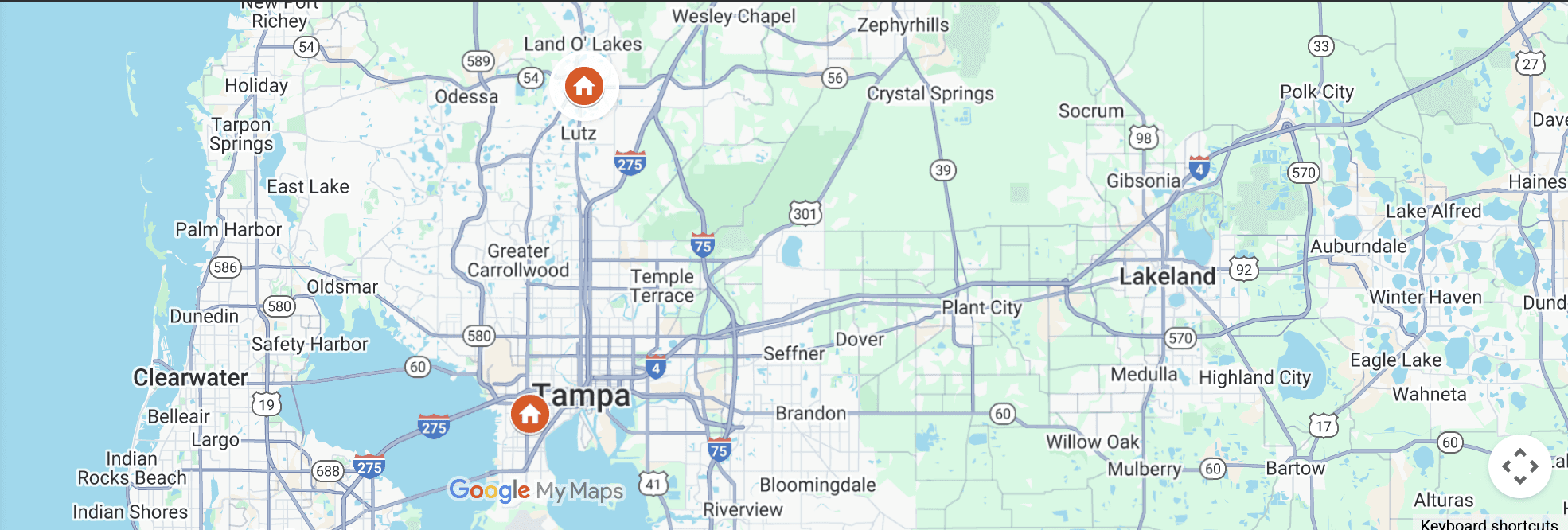
Providing Functional Medicine Care to the Greater Tampa Bay Area — Lutz, South Tampa, Wesley Chapel, Odessa, Carrollwood, Land O' Lakes, Westchase, and surrounding communities.
About the Author
Dr. Matthew Lewis, D.C., DACBN, CFMP®, is the Founder of PROVOKE Health (previously Functional Healthcare Group) — a Tampa, Florida-based functional medicine and integrative healthcare practice committed to motivating, guiding, and supporting patients on their journey to regaining their confidence, resiliency, and health. By creating and co-managing highly personalized treatment plans that address complex health problems, Dr. Lewis and the team at PROVOKE Health work to restore patient confidence, resiliency, and long-term wellbeing.
Related Articles
A Holistic Approach to Cardiovascular Disease at Provoke Health →
How Functional Medicine Can Help Put Hashimoto's into Remission →